The Science Behind Perfectly Melted Pizza Cheese

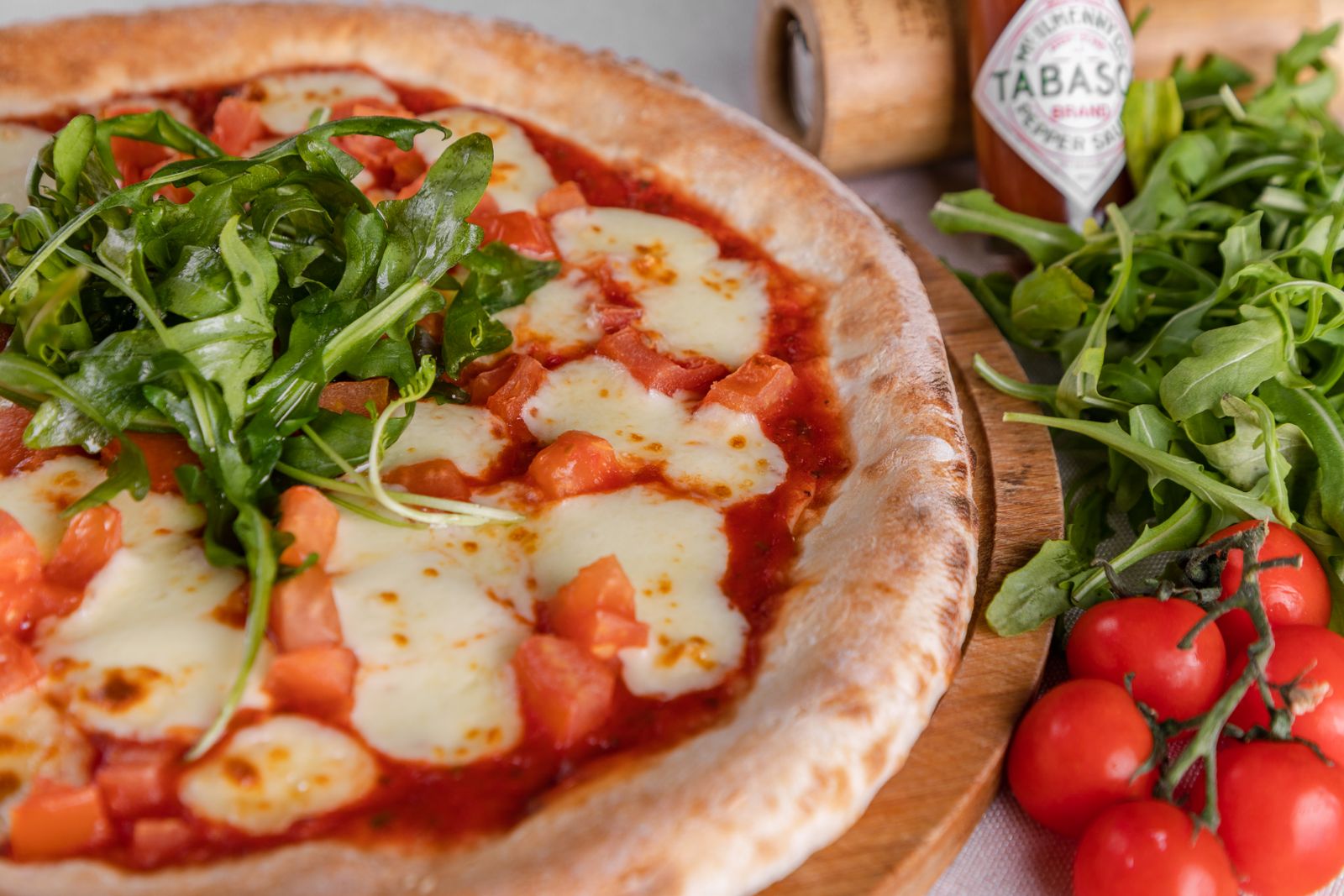
A great pizza announces itself before the first bite. The aroma of toasted dough and warm dairy rises first, then the surface tells the rest of the story. The cheese should look fluid but not greasy, blistered in places but not scorched, glossy without seeming wet, and bonded to the sauce rather than sliding off in a single sheet. That fleeting state, somewhere between solid and sauce, is not luck. It is chemistry, heat transfer, moisture control, and a little bit of restraint.
People often talk about pizza in broad strokes, crust, sauce, toppings, but cheese decides whether the whole thing feels coherent. On a well-made Cheese Pizza, the cheese is not just a topping. It is the structural bridge between bread and tomato, a fat-rich layer that insulates, browns, stretches, and carries flavor. Get it wrong and even excellent dough tastes flat. Get it right and the pizza feels alive for the brief few minutes after it leaves the oven.
The science of melted pizza cheese is not mysterious, though it is easy to oversimplify. Melt is shaped by proteins, water, fat, salt, acidity, age, shredding method, oven temperature, and bake time. Small differences matter. A mozzarella block that sat uncovered in a refrigerator overnight will behave differently from one opened ten minutes ago. A home oven at 550°F behaves differently from a deck oven, and very differently from a wood-fired oven pushing 800°F or more. The perfect melt depends on matching the cheese to the environment and style.
What “perfectly melted” actually means
People use the word melted loosely. Butter melts. Chocolate melts. Cheese does not quite melt in the same way. When heated, cheese softens as milk fat liquefies and the protein network loosens. Water trapped inside that network helps create flow. If the balance is right, the cheese spreads smoothly and forms those familiar strands when pulled. If the balance is wrong, the proteins tighten, moisture escapes, and the surface breaks into pools of oil and rubbery clumps.
For pizza, perfect melt usually means four things at once. The cheese should fuse into an even layer. It should brown in spots, because browning adds roasted, savory notes. It should stretch when the slice is lifted, but not so much that every bite becomes a tug-of-war. And it should remain integrated with the crust and sauce, rather than separating into fat slicks on top.
That last point matters more than most people realize. A pizza can look attractive at first glance and still eat poorly if the cheese “breaks.” Broken cheese releases too much free oil, often visible as orange or clear pools on the surface. A little oil is normal and even desirable. Too much leaves the top greasy, mutes the dairy flavor, and creates the dreaded cheese raft that slips off the crust in one motion.
Mozzarella earned its place for a reason
Mozzarella became pizza’s default cheese because its composition fits the job unusually well. It has enough moisture to soften and flow, enough protein to stretch, and a relatively mild flavor that supports the crust and sauce rather than covering them up. Fresh mozzarella and low-moisture mozzarella share a name, but on pizza they act like different ingredients.
Fresh mozzarella, packed in water or whey, contains high moisture. It gives a tender, creamy melt and beautiful white patches, especially on Neapolitan-style pies baked at very high heat. The downside is obvious in a home kitchen. If the oven cannot bake the crust quickly enough, fresh mozzarella sheds water before the dough sets. The result can be a damp center and pale, underdeveloped cheese.
Low-moisture mozzarella, especially whole milk low-moisture, is the workhorse of American pizza shops. It is firmer, drier, saltier, and more predictable. It shreds cleanly, melts evenly, browns well, and keeps water activity under control. Part-skim low-moisture mozzarella is even more common in large-volume settings because it handles storage and shredding efficiently, though it can be slightly less rich and slightly more elastic in a way that borders on tough if overbaked.
There is a reason experienced pizza makers talk about “make,” meaning the age and behavior of a cheese lot. A very young mozzarella may melt less evenly and retain a chalky interior. A more matured one often browns better and develops a more fluid melt, though too much age can increase oiling off. In practice, the sweet spot is not a fixed number of days. It depends on the brand, the milk, and the target bake.
Protein is the hidden architecture
Cheese structure comes largely from casein proteins. In milk, these proteins form microscopic bundles called micelles. During cheesemaking, acidification and enzymes, commonly rennet, alter that structure so the milk coagulates into curds. When the curds are stretched, as in mozzarella, the proteins align into long strands. That alignment is a big reason mozzarella develops the stretch people expect on Cheese Pizza.
When heat hits the cheese, several things happen at once. Fat softens and liquefies. Water becomes more mobile. The protein matrix relaxes enough to flow. But proteins are touchy. If the environment is too acidic, too dry, or too hot for too long, they can tighten rather than relax. Tight proteins squeeze out moisture and fat, which is one path to greasy, leathery cheese.
This is why not all “pizza cheese” stretches the same way. A cheese with a strong protein network and moderate moisture can produce long pulls. A cheese that has lost too much moisture during storage or has been overheated in the oven may tear short and feel dense. Stretch is not merely about heat. It is the visible result of proteins, moisture, and fat staying in balance.
Moisture is both friend and saboteur
Most pizza Cheese Pizza problems involving cheese come back to water. Too little moisture and the cheese dries out before it has a chance to spread. Too much moisture and the top steams instead of browns, while the crust beneath struggles to bake. The trick is not maximizing moisture, but controlling where it goes and how quickly it leaves.
Fresh mozzarella is the clearest example. If it is sliced straight from its liquid and dropped generously onto a pizza, free water lands directly on the surface of the dough. In a blisteringly hot oven, Cheese Pizza the bake is so fast that this can still work beautifully. In a conventional home oven, the water often outpaces evaporation. The center stays soupy, and the cheese may whiten rather than blister.
That is why many careful cooks drain fresh mozzarella, pat it dry, and let it sit on towels for a while before baking. It seems fussy until you see the difference. A little surface drying gives the oven a chance to brown the top instead of spending the first phase of the bake boiling off excess water.
Low-moisture mozzarella solves one problem and introduces another. Because it starts drier, it is easier to brown and less likely to soak the crust. But if it is shredded too finely, spread too thinly, or baked too long, it can dehydrate fast. Then you get the mottled, leathery cap many people mistake for well-done cheese. True doneness still has softness at the center of each melted area.
Fat drives richness, flow, and browning
Milk fat contributes luxury, but it also affects mechanics. When heated, fat lubricates the protein network and helps create the smooth, flowing character associated with good pizza cheese. Whole milk low-moisture mozzarella tends to melt more lushly than part-skim for this reason. The difference is not dramatic in every pie, but side-by-side it is easy to feel. Whole milk cheese tastes rounder and usually browns with a more supple finish.
Too much free fat, however, is not the goal. Grease on pizza is often a sign that the cheese has been pushed beyond its stable zone. Sometimes this comes from the cheese itself. Sometimes it comes from fatty toppings such as pepperoni or sausage. People blame the cheese because the surface is shiny, but in mixed-topping pies, rendered meat fat can mingle with cheese oils and exaggerate the effect.
The common fix is not necessarily using leaner cheese. More often it is reducing bake time, adjusting the thickness of the cheese layer, or switching to a product with a better protein-to-fat balance. A cheese can be rich without being oily if the matrix holds together under heat.
Browning is chemistry, not decoration
The toasted spots on pizza cheese are more than cosmetic. Browning creates a deeper aroma, something nutty, savory, and slightly sweet. It comes mostly from Maillard reactions, where proteins and sugars react under heat, along with some caramelization in localized zones. Browning depends on temperature, surface dryness, and composition. Wet cheese resists browning because evaporating water keeps the surface temperature down.
This is why the same cheese can look starkly different in different ovens. In a high-heat pizza oven, the top may blister in 90 seconds. In a home oven, especially one without a powerful broiler or stone, that same cheese may remain pale until the crust is already overbaked. People then chase color by extending the bake, which often dries the cheese before it browns attractively.
A better approach is to help the oven. Preheat longer than you think necessary. Use a steel or stone to drive strong bottom heat. Position the pizza so the top gets enough radiant energy. In home ovens, a brief finish under the broiler can encourage blistering, but it takes attention. Thirty seconds too long can push the cheese from spotted to split.
Why pre-shredded cheese behaves differently
Pre-shredded cheese is convenient, but it comes with baggage. To keep shreds from clumping in the bag, manufacturers add anti-caking agents, often starches or cellulose powders. These coatings are safe and common, but they can slightly inhibit smooth fusion. The cheese may still melt, but the strands often remain more distinct, and the top can look less unified.
There is also the issue of exposed surface area. Once cheese is shredded, it begins losing moisture more readily. Bagged shreds can perform well, especially in casual home cooking, but freshly shredded block cheese usually melts more fluidly and tastes cleaner. In commercial kitchens, cheese is often shredded in-house for exactly this reason.
I have seen home cooks blame their oven, their dough, even their sauce, when the real issue was a bag of pre-shredded part-skim mozzarella that had been open for a week. The pizza was not doomed, but it was never going to produce that cohesive, bakery-style blanket they wanted.
The oven is a co-author
Cheese behavior cannot be separated from the oven. A wood-fired oven, a gas deck oven, a conveyor, a cast-iron pan, and a home oven all create different heat environments. Since cheese is sensitive to both time and temperature, the same formula can excel in one oven and fail in another.
High-heat ovens reward cheeses that can tolerate rapid top blistering without releasing too much water. Fresh mozzarella shines here, as do thoughtful blends that include provolone or other flavorful cheeses in modest amounts. The bake is short enough that moisture does not have time to flood the crust.
Home ovens usually work better with low-moisture mozzarella or a controlled mix of low-moisture and small amounts of fresh cheese. Because the bake lasts longer, stability matters. The cheese must retain enough moisture to stay tender, but not so much that the pizza steams.
Pan pizza introduces another wrinkle. The thicker crust and often higher oil content of the pan itself create a gentler bottom bake early on, while the top still needs assertive heat to brown. Heavier cheese loads can work here because the crust has more structure, but timing becomes important. Some pan styles benefit from cheese all the way to the edge, where direct contact with the pan encourages frico, the crisp, lacy edge made from caramelized cheese.
Blends can outperform single cheeses
Mozzarella may be the foundation, but many excellent pizzas use blends. A bit of provolone adds depth and a slightly sharper finish. Fontina contributes creaminess. Young cheddar can add flavor in small doses, though it tends to release oil if used too heavily. Parmesan and pecorino are better treated as accents because of their low moisture and strong salinity.
The best blends are designed, not improvised. More flavor is not always better. A cheese that tastes wonderful on a board may be a poor pizza cheese because it breaks under heat, browns too fast, or overwhelms the sauce. A good blend respects function first and flavor second, though the two often support each other.
In practice, many professionals keep mozzarella above half the blend for exactly that reason. It provides the melt matrix. Supporting cheeses season the melt. When people build a blend backwards, chasing bold flavor with no regard for mechanics, the pizza usually tells on them.
The thickness of the cheese layer matters
There is no universal correct cheese amount, but there is a point where quantity starts fighting quality. Too little cheese leaves bald patches and allows sauce to dry out. Too much creates insulation, delaying evaporation and browning. The pizza may look abundant yet bake unevenly, with a rubbery top over a soggy center.
Experienced pizza makers learn to judge coverage by eye. They think about melt expansion, not just raw volume. Shredded cheese settles differently from sliced cheese. Cubes melt into islands before joining. Torn fresh mozzarella creates pockets of creaminess and exposed sauce in between. Each format changes the final surface.
This is one place where home cooks routinely overdo it. A heavy blanket of cheese seems generous, but pizza is not a casserole. On a good Cheese Pizza, the dough should still have a voice. You want enough cheese to unify the pie, not enough to mute it.
Common melt problems and what causes them
When pizza cheese disappoints, the symptoms are usually obvious. The causes are less so, because several variables can produce similar results. A little diagnosis goes a long way.
- If the cheese turns greasy and separates, it has usually been overheated, overaged, or paired with an oven setup that browns too slowly.
- If it stays pale and puddly, there is often too much moisture, not enough top heat, or both.
- If it becomes leathery, the cheese is too dry, the shreds are too fine, or the bake ran too long.
- If it slides off in one sheet, the sauce may be too wet, the cheese layer too thick, or the interface between sauce and cheese too smooth.
- If it barely stretches, the protein network may be too tight from composition, age, or excessive dehydration.
These issues are not always solved by changing brands. Sometimes the fix is as simple as shredding larger, draining fresh mozzarella more thoroughly, or moving the pizza higher in the oven for the last minute of the bake.
Practical choices for better cheese melt at home
Home kitchens demand adaptation, not imitation. It rarely helps to copy a pizzeria formula exactly if the equipment is different. Better results come from respecting the limits of the oven and choosing cheese that fits them.
For most home bakers, whole milk low-moisture mozzarella is the safest baseline. It offers reliable melt, balanced browning, and manageable moisture. If you want some of the tenderness of fresh mozzarella, add it selectively rather than making it the entire cheese load. Tear it into small pieces, dry it well, and use restraint. The contrast can be beautiful without overwhelming the pie.
One detail worth caring about is temperature at assembly. Ice-cold cheese tends to melt less evenly in a short bake. Room temperature is not necessary, and food safety matters, but taking cheese out of the refrigerator while you shape the dough can help take the edge off. The goal is not warmth. It is simply reducing the thermal lag so the cheese and crust finish together.
Another overlooked factor is sauce application. A very wet sauce under cheese creates steam, which delays browning and can loosen the bond between the layers. Pizza sauce should be concentrated enough to spread thinly without running. Cheese melts best over a surface that is moist but not watery.
Melt is a moving target
One of the pleasures of working with pizza is that perfection is not static. The ideal cheese on a Neapolitan pie is not the ideal cheese on a New York slice, a Detroit square, or a tavern-style thin crust. Even within one style, people value different endpoints. Some love pronounced blistering and browned edges. Others want a creamy, almost porcelain-white melt. Neither side is wrong. They are simply optimizing for different textures and flavors.
What matters is understanding the levers. Moisture controls flow and browning. Fat contributes richness and lubrication. Proteins provide stretch and structure. Heat determines whether those elements cooperate or fall apart. Once you see cheese this way, pizza stops being guesswork.
The best melted cheese feels effortless, which is why it is so easy to underestimate. It settles across the pie as if it had no other possible shape. It stretches but yields. It browns where the oven kissed it hardest. It carries the tomato, cushions the crust, and disappears into the whole. That is the science at its most satisfying, not abstract, not academic, but hot on a slice, balanced for a brief and perfect moment.
Brooklyn Pizza
1647 Arapahoe Ave
Boulder, CO 80302
+1 720-328-2324
FAQ About Cheese Pizza
What type of cheese is used on a cheese pizza in Boulder, CO?
The cheese varies by pizzeria. Brooklyn Pizza uses whole-milk mozzarella made in-house on its standard pies and offers a plant-based cheese option for vegan pizza. Ask the shop directly about ingredients if you have a dietary restriction.
How many slices are in a large pizza in Boulder, CO?
Slice count depends on how the shop cuts the pie. Brooklyn Pizza lists a 16-inch large pizza. If you are ordering for a group, call to confirm the number of slices or ask whether a smaller cut is available.
What is New York style pizza in Boulder, CO?
New York-style pizza usually has a thin crust and wide slices that can be folded. A classic cheese slice pairs tomato sauce with mozzarella. Brooklyn Pizza serves New York-style pizza by the slice and as whole pies.
Ends · MARCOFZKP968